

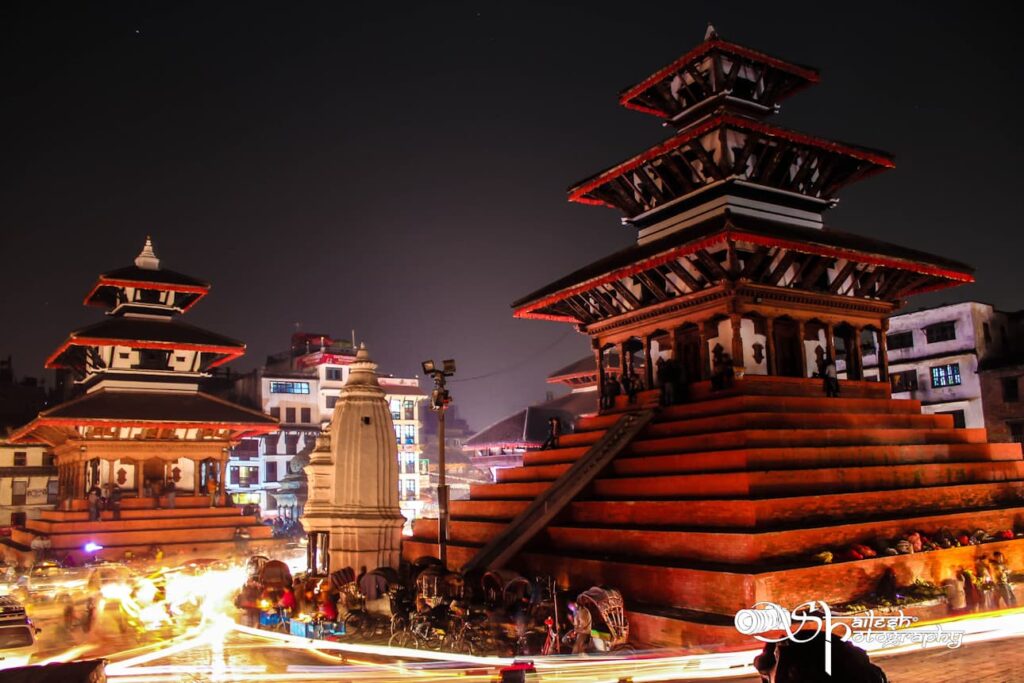
Kathmandu Durbar Square: A Living Nepal’s History and Culture. Kathmandu Durbar Square is one of the most popular authentic places in Nepal. It is found in the heart of Kathmandu city, close to Basantapur. This range is also known as Hanuman Dhoka Durbar Square. For numerous centuries, it was the illustrious royal residence where the rulers of Nepal lived and ruled. Nowadays, it is a UNESCO World Heritage Site and a major attraction for sightseers from around the world. The square is full of ancient sanctuaries, royal residences, statues, and patios that showcase the excellence of Nepali craftsmanship, culture, and architecture.
Visiting Kathmandu Durbar Square feels like entering a living exhibition hall. Each corner has a story, and each building reflects the imagination and abilities of antiquated Nepali skilled workers. In this web journal, we will investigate the history, design, celebrated landmarks, social significance, and reasons why everybody ought to visit this mind blowing place.
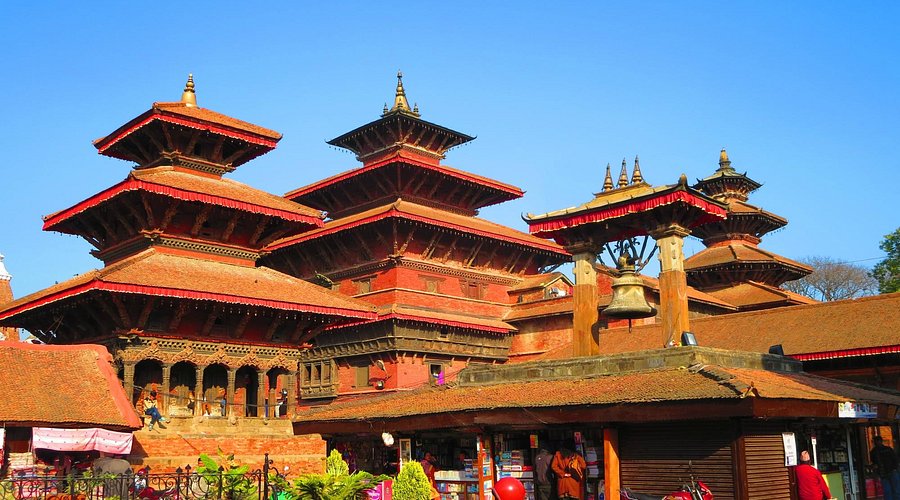
History of Kathmandu Durbar Square
The history of Kathmandu Durbar Square goes back more than 1,000 a long time. Numerous lords from the Malla and Shah traditions built, modified, and extended the zone. The Malla lords ruled the Kathmandu Valley for a long time, and they were awesome significant others of craftsmanship and culture. They built numerous sanctuaries, royal residences, and open buildings in the square.
Later, in the 18th century, Ruler Prithvi Narayan Shah prevailed the Kathmandu Valley and made the royal residence his official home. After that, the square got to be the regal royal residence of the Shah rulers. The lords utilized the royal residence for royal celebration ceremonies, ceremonies, and political events.
Although numerous buildings were harmed by earthquakes—especially the 2015 earthquake—the square still stands solid, and numerous reproduction endeavors have reestablished its ancient beauty.
Design and Design Kathmandu Durbar Square
Kathmandu Durbar Square is a showstopper of conventional Newari engineering. The sanctuaries have excellent pagoda-style rooftops, wooden carvings, metal enhancements, and stone statues. Newari specialists were known for their extraordinary ability, and their work can still be seen in each entryway, window, and pillar.
Some common highlights you will take note are:
- Pagoda-style sanctuaries with different roofs
- Complex wooden carvings of divine beings, goddesses, creatures, and legendary creatures
- Stone statues that ensure sanctuaries and palaces
- Open yards utilized for celebrations and gatherings
- Delightfully painted windows and brilliant doors
The square is a culminate case of how craftsmanship, religion, and every day life were associated in old Nepal.
Celebrated Places Interior Kathmandu Durbar Square
There are numerous imperative buildings and sanctuaries interior the square. Here are a few of the fundamental attractions:
1. Hanuman Dhoka Palace
This royal residence complex is one of the most imperative structures in the square. The title comes from the statue of Hanuman, the monkey god, which stands at the entrance. The royal residence has numerous yards, rooms, and historical centers that appear illustrious history. Rulers utilized this royal residence for gatherings, ceremonies, and celebrations.
2. Taleju Temple
Taleju Sanctuary is one of the tallest and most sacrosanct sanctuaries in the square. It was built by Ruler Mahendra Malla. The sanctuary is devoted to Goddess Taleju, the family goddess of Malla lords. The sanctuary opens as it were once a year amid the Dashain festival.
3. Kumari Ghar (House of the Living Goddess)
The Kumari Ghar is the domestic of the Kumari, the Living Goddess of Nepal. She is accepted to be a human shape of the goddess Taleju. The building has wonderful wooden carvings and a quiet patio. Guests can now and then see the Kumari at the window amid extraordinary hours.
4. Basantapur Tower
The Basantapur Tower, moreover known as the Nine-Storey Royal residence, was once utilized by the lords to observe over the city. From the best, they may see the whole Kathmandu Valley. In spite of the fact that it was harmed in the 2015 seismic tremor, it has been carefully rebuilt.
5. Shiva-Parvati Temple
This sanctuary is popular for the statues of Ruler Shiva and Goddess Parvati looking out through a window. The sanctuary is delightfully beautified and is one of the most captured buildings in the square.
6. Kal Bhairav Statue
Kal Bhairav is a effective frame of Master Shiva. His monster stone statue stands in the open region of the square. In old times, individuals took vows in front of the statue since lying some time recently Bhairav was accepted to bring punishment.
7. Jagannath Temple
Jagannath Sanctuary is one of the most seasoned sanctuaries in the square. It is known for its point by point wooden carvings and conventional Newari designs.
Social Importance
Kathmandu Durbar Square is not as it were a verifiable location but too a social center. Numerous celebrations, customs, and conventional occasions take put here all through the year. A few of the most popular occasions include:
- Indra Jatra – The greatest celebration of Kathmandu, celebrated with chariots, conceal moves, and the appearance of the Kumari.
- Kumari Jatra – A extraordinary parade of the Living Goddess.
- Dashain ceremonies held at Taleju Temple.
- Newar celebrations with conventional music and dance.
During celebrations, the square gets to be full of life. Individuals wear conventional dress, play drums, light oil lights, and celebrate with delight. These social occasions keep the conventions of the Kathmandu Valley alive.
Neighborhood Life and Surroundings
Even in spite of the fact that Kathmandu Durbar Square is a verifiable location, it is moreover a portion of ordinary life for neighborhood individuals. You can see children playing, senior citizens chatting, and sellers offering painstaking work, works of art, adornments, and trinkets. Sightseers appreciate strolling around, taking pictures, and learning almost the culture.
Nearby lanes like Crack Road and Basantapur Chowk are prevalent for cafés, eateries, and shops. These ranges offer a blend of present day and conventional Kathmandu.
Why You Ought to Visit Kathmandu Durbar Square
Here are a few reasons why this put is a must-visit:
1. Wealthy History
You can learn approximately Nepal’s antiquated lords, conventions, and engineering all in one place.
2. Astonishing Craftsmanship and Architecture
The wooden carvings, sanctuaries, and statues are a few of the finest in Nepal.
3. Social Experience
Festivals and neighborhood life make the square energetic and unforgettable.
4. Idealize for Photography
Every corner of the square is wonderful and full of detail.
5. UNESCO World Legacy Site
It is one of the most vital social legacy locales in the world.
Conclusion
Kathmandu Durbar Square is a treasure of Nepal. It appears the country’s history, culture, religion, and craftsmanship all together in one wonderful put. From the regal royal residence to the sanctuaries, from celebrations to every day life, the square offers a wealthy social encounter to everybody who visits. Whether you are a traveler or a nearby inhabitant, strolling through the square feels like traveling back in time.
If you ever come to Kathmandu, make beyond any doubt you visit this astounding put. It is more than fair a memorable site—Kathmandu Durbar Square is the heart and soul of the city.
See More Related:
Pasupatinath Temple
The Newar Culture

More Stories
Pasupatinath Temple
“Rara Lake: Nepal’s Hidden Himalayan Paradise”
The British royal family’s most outrageous summer excursion spots