





Global warming:
Global warming effects in human health is greatly impacted, which can result in a number of health problems. The term “global warming” describes the gradual rise in Earth’s average surface temperature brought on by human activity.
the principal release of greenhouse gases, such as nitrous oxide (N2O), carbon dioxide (CO2), and methane (CH4). The greenhouse effect, which is a warming effect caused by these gases, traps heat in the atmosphere.
The following are some significant ways that global warming impacts health:
- Heat-Related Illnesses: As global temperatures rise likewise heatwaves occur more frequently and with greater attention. Dehydration, heatstroke, and heat exhaustion are possible outcomes. Particularly vulnerable groups include the elderly, kids, and people with underlying medical issues.
- Temperature increases may make respiratory issues worse caused by air pollution. Specifically, it is ground-level ozone (smog).It can exacerbate lung diseases like chronic obstructive pulmonary disease (COPD) and asthma. The increased frequency of wildfires as a result of global warming also worsens air quality and causes respiratory problems.
- Vector-Borne Diseases: Increasing temperatures and shifting precipitation patterns might cause disease-carrying insects, like as ticks and mosquitoes, to have larger habitats. Diseases including Lyme disease, dengue fever, malaria, and the Zika virus spread more widely as a result.
- Waterborne Diseases: The quantity and quality of fresh water can be impact variations in temperature and precipitation. Flooding, which climate change may make more common. Its can contaminate water sources, causing cholera and other waterborne illness outbreaks.
- Food Security and Nutrition: Droughts and floods, among other variations in weather patterns, can cause disruptions in food production. Malnutrition, food shortages, and associated health problems may result from this.
- Mental Health: The clarity and worry brought on by the effects of climate change. It includes losing one’s livelihood and being displace due to severe weather. It can exacerbate mental health conditions including depression and PTSD stands for post-traumatic stress disorder.
- Allergies: Longer growth seasons for plants that trigger allergies, including ragweed, might result in longer and more severe allergy seasons.
Important Elements of Global Warming:
Reasons:
- Fossil Fuel Burning: The main source of greenhouse gas emissions is the burning of coal, oil, and natural gas for energy and transportation.
- Deforestation: Because trees absorb CO2, their removal weakens the planet’s capacity to control CO2 levels.
- Industrial operations: A considerable amount of greenhouse gases are released during some manufacturing operations.
- Agriculture: Some farming methods release nitrous oxide, while the raising of livestock produces methane.
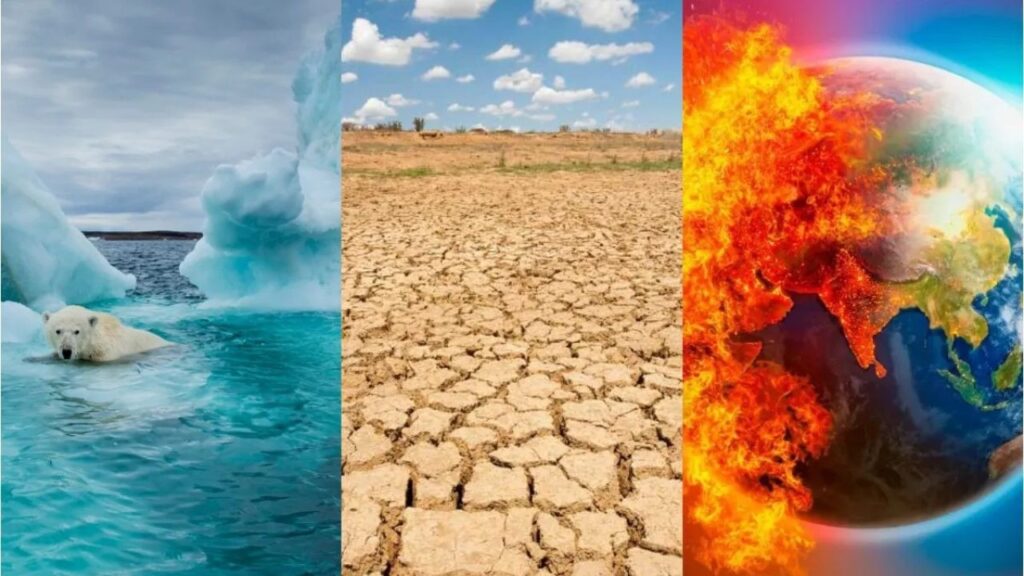
- Rising Temperatures: Since the late 19th century, there has been a notable increase in global temperatures, with the last few decades witnessing the fastest increases.
- Melting Ice and Increasing Sea Levels: As a result of warming temperatures, polar ice caps and glaciers are melting, which raises sea levels. Ecosystems and coastal communities are at risk from this.
- Extreme Weather phenomena: Hurricanes, heat waves, droughts, and heavy rains are among the more common and severe weather phenomena that are associated with global warming.
- Ocean Acidification: The seas are absorbing more CO2, which causes acidification. This has an impact on marine life, especially species that have calcium carbonate skeletons or shells.
- Ecosystem Disruption: Many species are finding it difficult to adjust to the changing climate, which is causing changes in migratory patterns, habitats, and, in certain situations, extinction.
- Adaptation and Mitigation: lowering Emissions: Greenhouse gas emissions can be lowered by switching to renewable energy sources, increasing energy efficiency, and implementing sustainable business and agricultural practices.
- Carbon Sequestration: Methods for removing CO2 from the atmosphere include reforestation and carbon capture and storage (CCS).
Others Important Elements of Global Warming:
- Adaptation Strategies: Communities are creating flood barriers, implementing climate-resilient infrastructure, and enhancing water management techniques to deal with the effects of global warming.
- Worldwide Initiatives: International Agreements: In the historic Paris Agreement, nations pledge to keep global warming well below 2°C above pre-industrial levels, with efforts focused on keeping the increase to 1.5°C.
- Climate Policies: Around the world, governments and organizations are putting policies into place to lower emissions, support renewable energy sources, and stimulate sustainable growth.
Related:
CrowdStrike boss says 97% of slammed frameworks fixed
Can A Nose Bleeding Is Major Problem?




More Stories
Scrub Typhus: Causes, Symptoms, and Treatment Explained
Yarsagumba
What Are Benefits Of Ginger For Human Health?